 Eurovision News
  Hungary

Hungarian Prime Minister Peter Magyar has recently engaged in a conversation with Zib, where the potential return of Hungary to the Eurovision Song Contest was a key topic. This discussion sparks excitement among fans, hinting at a possible end to the country’s absence from the competition. The Prime Minister’s interest signals a significant shift in Hungary’s cultural outlook towards the much-loved European event.
Hope is on the horizon for Hungarian Eurovision fans as Prime Minister Peter Magyar has openly discussed the country’s potential return to the Eurovision Song Contest. In a recent conversation with Zib, the nation’s leader touched upon the possibility of Hungary rejoining the competition, from which it has been absent since 2020.
Peter Magyar (Hungary’s Prime Minister) says:
To be honest, it’s not up to the Hungarian Prime Minister. It’s not my decision whether Hungary will participate again in this contest. I received many letters and pleas from the younger generation to nominate again Hungary to this competition. So, I will instruct the Minister or State Secretary for Culture to investigate or scrutinise our opportunities and I will come back to you and to the younger generations with a reply. I hope so. There is no objection from my part and there is no sense not to participate in such a contest.
Prime Minister Magyar, who was sworn into office in May 2026, has previously voiced strong opinions regarding Hungary’s withdrawal. He stated that ‘Not participating is a bad decision, and we shouldn’t have withdrawn,‘ and indicated that if the decision falls within the government’s purview, they ‘will organize a comeback.’ This sentiment aligns with a broader pro-European stance adopted by his new government.
Hungary’s Eurovision Journey and Hiatus
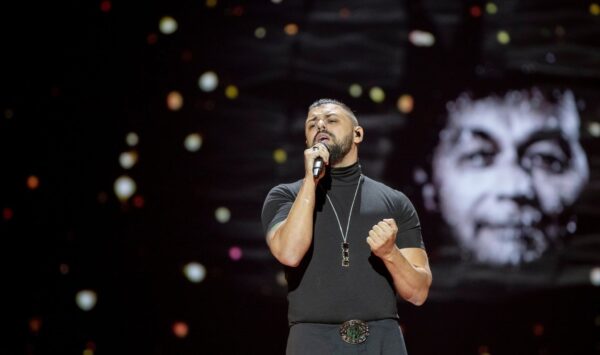
Hungary last participated in the Eurovision Song Contest in 2019, with Joci Pápai representing the nation. The country then officially withdrew from the 2020 contest, citing a desire to focus on promoting local talent domestically. However, international media and commentators widely speculated that the withdrawal was influenced by the previous government’s perception of Eurovision as ‘too gay,’ amidst a rise in anti-LGBTQIA+ rhetoric in the country.
With the new leadership under Prime Minister Magyar, there is renewed optimism that Hungary could once again embrace the values of diversity, tolerance, and cultural exchange that Eurovision represents. His proactive engagement in discussions about a return suggests a genuine willingness to reconsider Hungary’s position on the international stage. A potential comeback for Hungary could realistically be on the cards as early as Eurovision 2027.
Hungary in Eurovision
The Hungarians attempted to join the Eurovision Song Contest in 1993 when they competed in the special prelimary semi-final in Ljubiana with Andrea Szulak‘s Arva reggel, but failed to qualify to Millstreet and win one of the three available golden tickets to Eurovision. The country had to wait one more year to enter the competition.
Hungary debuted at the Eurovision Song Contest in 1994 with Friderika Bayer and her entry Kinek mondjam el vetkeimet achieving a 4th place in Dublin, namely the country’s best placing in the competition till date.
The central European nation has participated 17 times in Europe’s favourite show and is yet to win the competition. The Hungarians withdrew from the competition in 1999 and returned to the contest in 2005 after a 6 year absence. The country withdrew from the contest again in 2020 and has been absent since.
Hungary has only placed five times in the top 10 of the Eurovision scoreboard since its debut ; 4th (1994), 5th (2014), 8th (2017) and 9th ( 2007) and 10th (2013).