
 Eurovision News
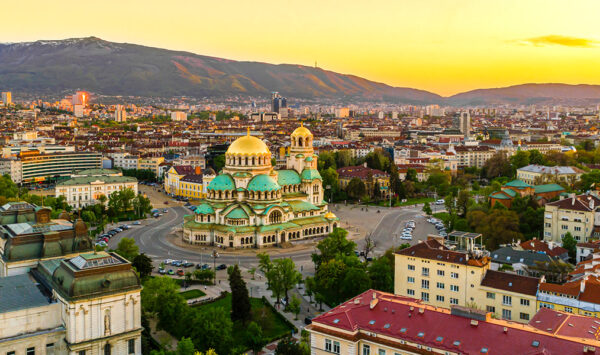

Preparations for the Eurovision Song Contest 2027 are officially underway in Bulgaria, following the country’s historic victory in 2026 with Dara and her song ‘Bangaranga’. The Bulgarian National Television (BNT), as the host broadcaster, is now evaluating potential host cities, with four major urban centres putting themselves forward.
Sofia Emerges as a Frontrunner
Among the four cities that have expressed interest in hosting the prestigious competition, the capital city, Sofia, is widely considered a strong frontrunner. Sofia boasts a robust infrastructure that aligns well with the demanding requirements of the European Broadcasting Union (EBU) for a host city. Key advantages include its excellent international connections, primarily through Sofia International Airport, which is the country’s main international gateway.
The city also offers a substantial hotel capacity to accommodate the thousands of delegates, artists, press, and fans expected to descend upon the host city. A significant asset for Sofia’s bid is the Arena Sofia, formerly known as Arena Armeec. This multi-purpose indoor arena has a concert capacity of up to 17,906 spectators, comfortably meeting the EBU’s minimum requirement of 10,000 attendees for a Eurovision venue. Furthermore, Arena Sofia has prior experience with a major Eurovision event, having successfully hosted the Junior Eurovision Song Contest in 2015, demonstrating its capability to manage large-scale productions.
Sofia’s Mayor, Vasil Terziev, has confidently expressed the capital’s readiness and capabilities to stage the international music event, highlighting its infrastructure, international connections, and ample accommodation facilities.
Other Contending Cities
While Sofia presents a compelling case, three other prominent Bulgarian cities have also officially registered their interest in hosting Eurovision 2027: Varna, Plovdiv, and Burgas.
- Varna: Bulgaria’s third-largest city and a major Black Sea resort, Varna has also put forward its bid. However, its primary proposed venue, the Palace of Culture and Sports, has a concert capacity of approximately 6,000 spectators, which currently falls short of the EBU’s minimum requirement of 10,000.
- Plovdiv: As Bulgaria’s second-largest city, Plovdiv intends to bid. The Kolodruma, a multifunctional indoor arena in Plovdiv, has a concert capacity of up to 7,500, also below the EBU’s stipulated minimum.
- Burgas: Located on the Black Sea coast, Burgas has expressed strong interest, with its Arena Burgas potentially offering a concert capacity of up to 15,000, making it a viable option in terms of venue size.
The Selection Process Ahead
The EBU’s requirements for a host city are extensive, including the availability of a suitable venue for approximately eight weeks, robust logistical and infrastructural support, good international connections, and sufficient accommodation options. Minister of Culture Evtim Miloshev has stated that all options will be carefully examined before a final decision is made, ensuring that Bulgaria’s hosting of Eurovision will be of an exceptional standard. The ultimate decision on the host city will be made by the EBU in conjunction with BNT and the Bulgarian government, following a thorough evaluation of all bids.