 Eurovision News
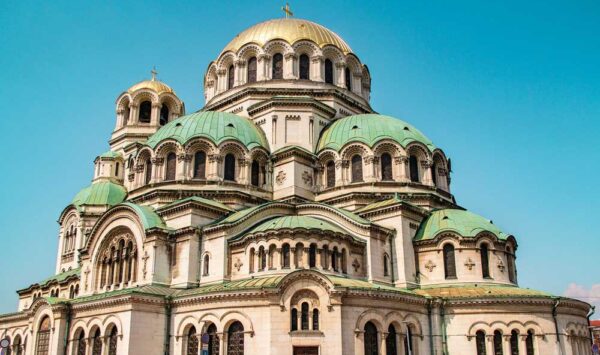

Following Bulgaria’s historic victory at the Eurovision Song Contest 2026, the race to find a host city for Eurovision 2027 is officially underway. Sofia’s Deputy Mayor for Culture and Tourism, Irina Dakova, has expressed strong confidence in the capital’s ability to host the prestigious event, citing its robust capacity, infrastructure, and palpable momentum.
Sofia Puts Forward Strong Bid for Eurovision 2027
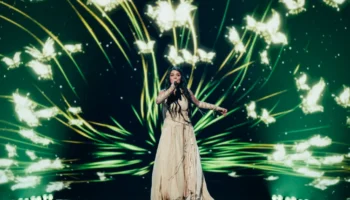
After Dara’s triumphant win with ‘Bangaranga’ at Eurovision 2026, bringing the contest to Bulgaria for the first time, the national broadcaster BNT has launched the bidding process for the 2027 host city. Four prominent Bulgarian cities have submitted their proposals: Sofia, Burgas, Plovdiv, and Varna, with the application deadline passing on 3rd July 2026.
Sofia, the nation’s capital, is making a compelling case, with Deputy Mayor for Culture and Tourism, Irina Dakova, asserting that the city is the ‘natural choice’ to stage Eurovision. Speaking to reporters, Dakova emphasised Sofia’s comprehensive capacity, modern infrastructure, and proven momentum for hosting major international events.
Proposed Venues and Logistics
At the heart of Sofia’s bid is the multi-purpose Arena Sofia (formerly known as Arena Armeec), proposed as the main competition venue. This impressive arena boasts a capacity of up to 17,906 spectators, significantly exceeding the European Broadcasting Union’s (EBU) minimum requirement of 10,000. The adjacent Sofia Tech Park is earmarked to provide essential additional facilities and logistical support for the event.
For the vibrant surrounding events, the bid outlines ambitious plans. The iconic National Palace of Culture (NDK) area is set to host the Eurovision Village and the traditional Turquoise Carpet ceremony. The NDK, a major congress and cultural centre, offers a central location with excellent transport links. Nearby venues like Toplocentrala and South Park are also integrated into the wider festival concept, with Toplocentrala envisioned as the hub for the city’s nightlife programme during the contest aka the Euroclub.
Sofia’s proposed venues and locations
- Sofia Arena– Eurovision 2027 venue
- Sofia Tech Park– Delegation Bubble, Press Centre,etc
- National Palace of Culture (NDK)– Eurovision Village & Turquoise Carpet
- Toplocentrala- EuroClub
Infrastructure and Experience
Deputy Mayor Dakova highlighted Sofia’s established infrastructure as a key strength. The city benefits from a well-developed metro network, efficient public transport, and excellent urban connectivity, complemented by a major international airport. Sofia’s track record in hosting large-scale international events, including the Junior Eurovision Song Contest in 2015, Bulgaria’s Presidency of the Council of the European Union, and stages of the Giro d’Italia, further underscores its capabilities.
In preparation for the bid, Visit Sofia, the city’s tourism administration, held a crucial meeting with the local hospitality sector on 25th June 2026. This gathering aimed to familiarise hotel industry stakeholders with the extensive accommodation requirements set by the Eurovision organisers, ensuring a seamless experience for delegations and fans.
With a comprehensive and modern vision for hosting the contest, Sofia is widely regarded as a frontrunner in the host city race. The final decision on which Bulgarian city will host the Eurovision Song Contest 2027 is expected to be announced by the end of July.