 Eurovision News
  Kosovo
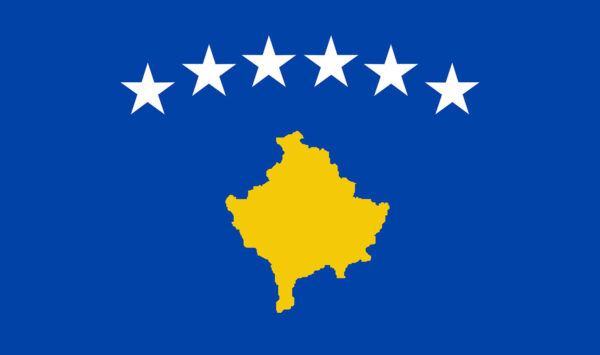

Radio Televizioni i Kosovës (RTK), the public broadcaster of Kosovo, has once again formally requested inclusion in the Eurovision Song Contest and the Junior Eurovision Song Contest. Acting Director General Zana Spahiu has spearheaded this renewed and strategically supported appeal, hoping to see Kosovo debut on the international stage. This persistent effort comes ahead of crucial discussions at the upcoming European Broadcasting Union (EBU) General Assembly.
Kosovo’s Persistent Eurovision Dream
The aspiration for Kosovo to participate in the Eurovision Song Contest has been a long-standing goal for its public broadcaster, RTK. For years, RTK has actively sought full membership within the European Broadcasting Union (EBU), a prerequisite for participation in the continent’s most beloved music competition. Last week, the Acting Director General of RTK, Zana Spahiu, has reiterated this commitment by submitting a renewed and strategically backed request for Kosovo’s inclusion in future contests.
RTK’s latest appeal specifically targets participation in the Junior Eurovision Song Contest 2026, scheduled to take place in Malta, and the Eurovision Song Contest 2027, which is set to be hosted by Bulgaria.
Navigating EBU Membership Hurdles
The primary obstacle preventing RTK from becoming a full EBU member and, consequently, participating in Eurovision, stems from Kosovo’s unique international status. Current EBU statutes require a national broadcaster’s country to be a member of either the International Telecommunication Union (ITU) or the Council of Europe. Kosovo, due to its limited international recognition and, notably, opposition from Serbia, currently meets neither of these requirements.
However, a glimmer of hope has emerged with the upcoming EBU General Assembly, scheduled for 25th and 26th June 2026 in Prague, Czechia. During this assembly, discussions are expected to revolve around potential amendments to the EBU’s statutes. These proposed changes could introduce new categories of membership, such as ‘Non-European Membership’ and ‘Auxiliary Membership’, which would grant limited rights to broadcasters. Such a development could significantly ease the path for broadcasters like RTK, as well as those from countries like Canada and Kazakhstan, to finally join Eurovision events.
Reviving National Selection and Promoting Eurovision Values
In anticipation of a potential breakthrough, RTK is already taking concrete steps towards establishing a national selection process. The broadcaster has announced the revival of the ‘Akordet e Kosovës’ festival, which, following an agreement with the Ministry of Culture, would serve as the national final for both the Eurovision Song Contest and the Junior Eurovision Song Contest, should RTK gain full EBU membership.
Zana Spahiu’s letter to the EBU underscores RTK’s long-standing dedication, noting that the broadcaster has submitted several formal requests since 2013. For over two decades, RTK has actively promoted Eurovision values and maintained strong audience engagement within Kosovo, demonstrating a deep commitment to the contest despite its inability to participate. Spahiu argues that the Eurovision Song Contest has evolved beyond a strict geographical framework into a global platform, making a restrictive stance towards Kosovo increasingly difficult to justify.
We must note that RTK has been broadcasting the Eurovision Song Contest live in recent years, including this year’s competition from Vienna.