 Eurovision News

Vienna, the host city for the Eurovision Song Contest 2026, is setting a new standard for inclusivity and environmental responsibility. The organisers are committed to significantly improving accessibility for all attendees while simultaneously working to minimise the event’s ecological impact. This forward-thinking approach aims to make Eurovision 2026 a benchmark for future large-scale events.
As anticipation builds for the Eurovision Song Contest 2026 in Vienna, the host city has unveiled its core commitments: to ‘turn up the volume on access’ and ‘dial down its footprint’. This dual focus highlights a progressive vision for the world’s biggest live music event, ensuring it is both welcoming to everyone and respectful of the planet.
Enhanced Accessibility for All
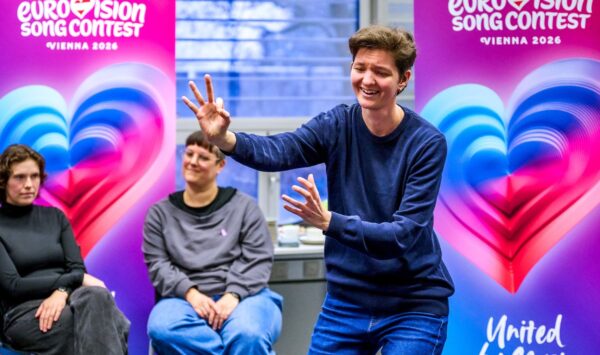
A key pillar of Vienna 2026’s strategy is to create an event that is truly accessible to all fans, regardless of their abilities. This goes beyond basic wheelchair access, aiming for a holistic approach to inclusivity. Plans are understood to include provisions such as dedicated viewing areas, improved sensory environments for those with neurodiversity, and comprehensive sign language interpretation for all major events and broadcasts. Furthermore, efforts will be made to provide information in easy-to-read formats and offer audio descriptions for visually impaired attendees, ensuring a richer experience for everyone attending or watching from home.
The goal is to remove barriers and ensure that the joy and excitement of Eurovision can be experienced by the widest possible audience. This commitment reflects a growing understanding within event management of the importance of universal design and inclusive practices.
A Commitment to Sustainability
In parallel with its accessibility initiatives, Vienna 2026 is also dedicated to significantly reducing the environmental footprint of the Contest. This involves a multi-faceted approach addressing various aspects of event production and execution. Strategies are expected to focus on sustainable waste management, aiming for minimal landfill contribution through extensive recycling and composting programmes.
Energy consumption will also be a major consideration, with plans to utilise renewable energy sources where possible and implement energy-efficient technologies across all venues. Furthermore, the organisers are encouraging sustainable transport options for both delegates and fans, promoting public transport networks and offering incentives for eco-friendly travel. Local sourcing of materials and services will also be prioritised to support the regional economy and reduce transportation emissions, contributing to a truly ‘green’ Eurovision.
Setting a New Standard
By championing both accessibility and sustainability, Vienna 2026 is not only promising an unforgettable Contest but also striving to set a new benchmark for future international events. This proactive stance demonstrates a commitment to social responsibility and environmental stewardship, aligning Eurovision with global efforts for a more inclusive and sustainable future.