
 Austria
 Eurovision News

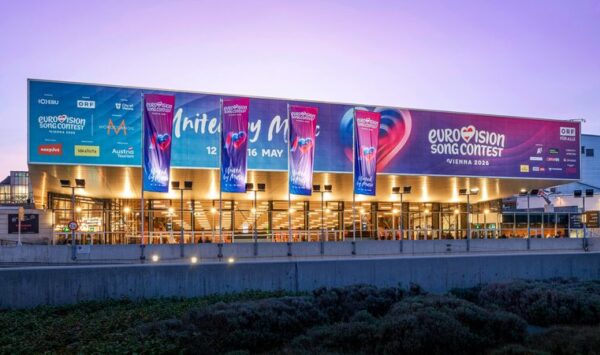

The Eurovision Song Contest 2026, hosted in Vienna, has delivered a substantial boost to both the city’s economy and its tourism sector. A new study by the Austrian Institute of Economic Research (WIFO) reveals that the event significantly surpassed initial expectations, generating considerable value and attracting a large influx of visitors.
Eurovision 2026: A resounding success for Vienna’s economy
The Austrian Institute of Economic Research (WIFO) has released a comprehensive study detailing the profound economic and tourism impacts of the Eurovision Song Contest 2026 on Vienna. The findings indicate that the event proved to be a remarkable success, far exceeding initial projections.
According to the WIFO study, the Eurovision Song Contest 2026 generated a total gross value added of approximately €77.2 million for the Austrian economy. Of this, a substantial €59 million was attributed directly to Vienna. This figure is considerably higher than the initial forecasts, which projected around €52 million in value added for the city. Total spending by visitors and the organising bodies amounted to approximately €97 million, surpassing the initial forecast of €57 million.
Significant boost to tourism and employment
The impact on tourism in the Austrian capital was particularly positive. Around 58,000 visitors holding Eurovision tickets travelled to Vienna from outside the city, with nearly 70% originating from abroad. These guests stayed for an average of four nights, which is almost twice the typical duration of a visitor’s stay in Vienna. This influx resulted in approximately 144,900 overnight stays by Eurovision guests in Vienna’s accommodation establishments during May 2026. Furthermore, more than three out of four respondents expressed their intention to revisit Vienna and recommend it to other travellers.
Beyond the direct economic contributions, the event also created significant employment opportunities. The study identified approximately 990 employment relationships linked to Eurovision 2026 across Austria, equivalent to around 800 full-time positions on an annual basis. Sectors such as accommodation, catering, security, event management, and transport were among the primary beneficiaries. Tax revenues and social security contributions amounted to €32.6 million.
Exceeding expectations and long-term benefits
Vienna’s Mayor, Michael Ludwig, expressed his satisfaction with the study’s findings, highlighting that the economic benefits had indeed surpassed initial expectations. The city’s expenditure for the event also remained below the approved budget of €22.6 million.
The WIFO study utilised a multi-methodological approach to capture both short-term economic effects and longer-term tourism impacts, as well as the well-being of Vienna’s residents. This comprehensive analysis underscores the lasting positive legacy of hosting the Eurovision Song Contest for the city, reinforcing its image as a welcoming, open, and capable host for major international events.