
 Eurovision News
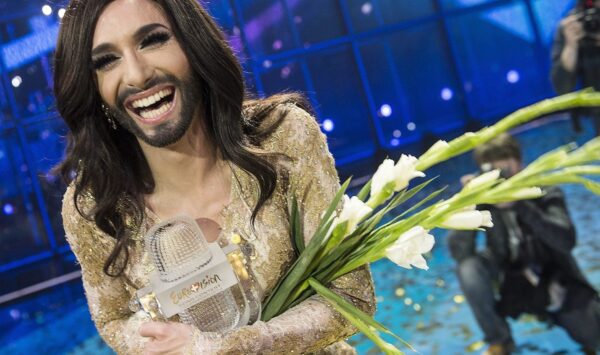

The Eurovision Song Contest has long been a vibrant platform where gender identities and sexual orientations are openly embraced. For decades, it has stood out in mainstream media as an event that not only tolerates but actively celebrates the rights and visibility of LGBTQ+ communities. This inclusive spirit has naturally fostered a dedicated and enthusiastic following from across the globe.
Eurovision: A Stage for Diversity and Inclusion
The Eurovision Song Contest has, for many decades, been a unique and powerful space for the exploration and celebration of gender identities and sexual orientations. Far from being merely a pop music competition, it has evolved into a significant cultural phenomenon that reflects and shapes societal attitudes towards diversity.
In a landscape where many mainstream events have historically shied away from overt support for LGBTQ+ rights, Eurovision has consistently been at the forefront. It has transformed from an event that simply tolerates different expressions of identity into one that proudly champions them, providing a global stage for artists and fans alike to express themselves authentically and without judgment.
This unwavering commitment to inclusivity has cemented Eurovision’s status as a beloved institution within the LGBTQ+ community. The contest’s atmosphere of unity, acceptance, and dazzling performances resonates deeply, attracting millions of viewers and participants who find a welcoming home in its vibrant celebration of all identities.
From groundbreaking performances to memorable winners who openly identify as LGBTQ+, the contest continues to be a beacon of hope and progress. Iconic moments include Dana International‘s win in 1998 as the first openly transgender performer, and Conchita Wurst‘s victory in 2014, further solidifying Eurovision’s role as a platform for LGBTQ+ representation and triumph. Its ongoing dedication ensures that the spirit of acceptance remains at its core, making it a truly special event for many around the world.