
 Eurovision News
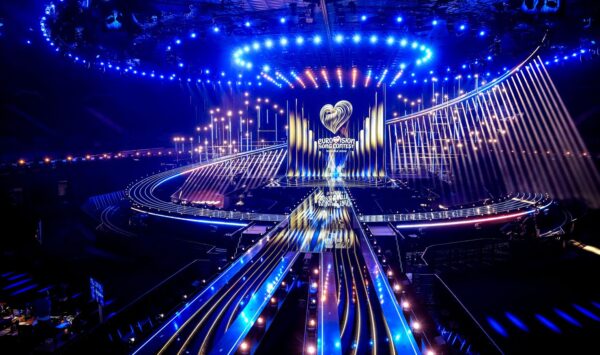

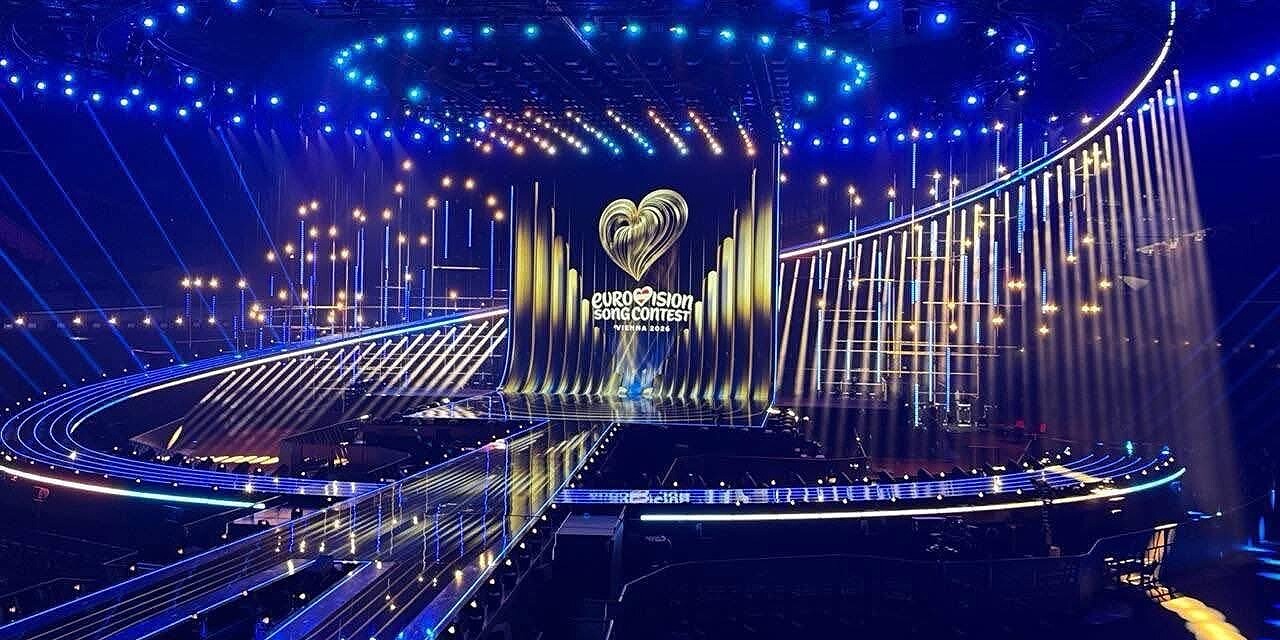
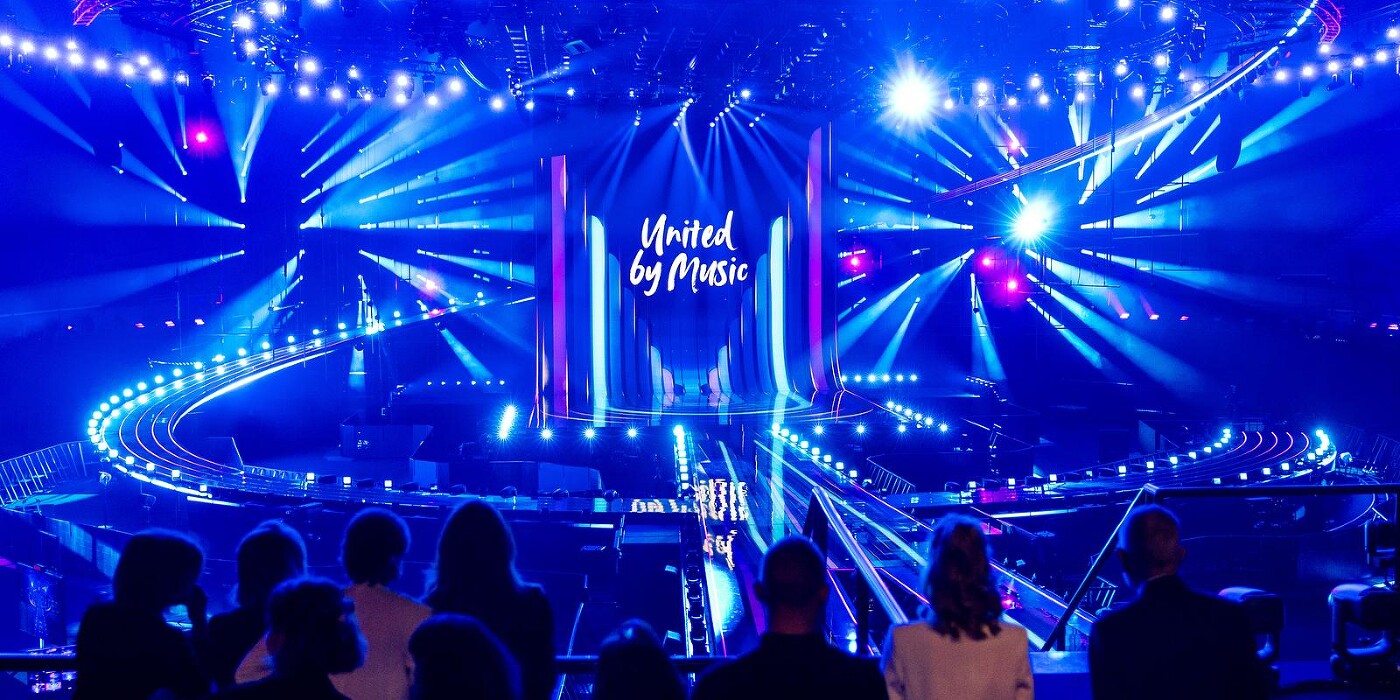
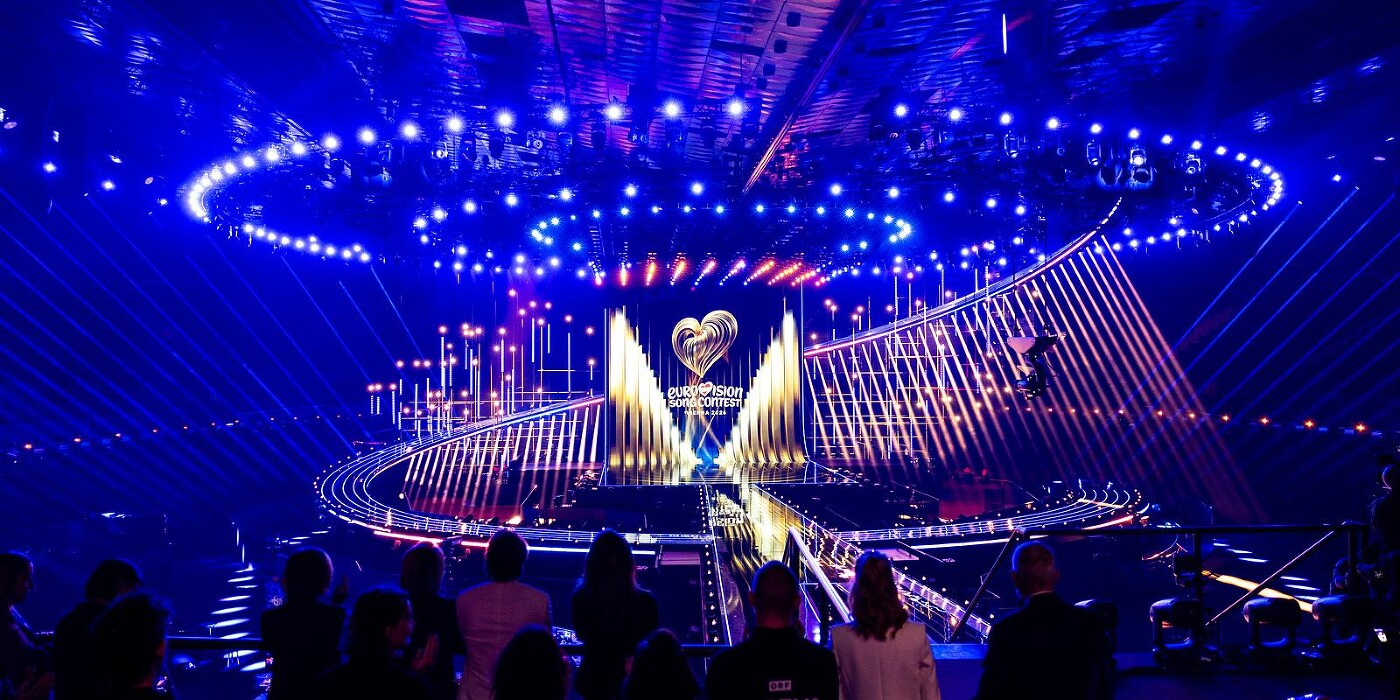
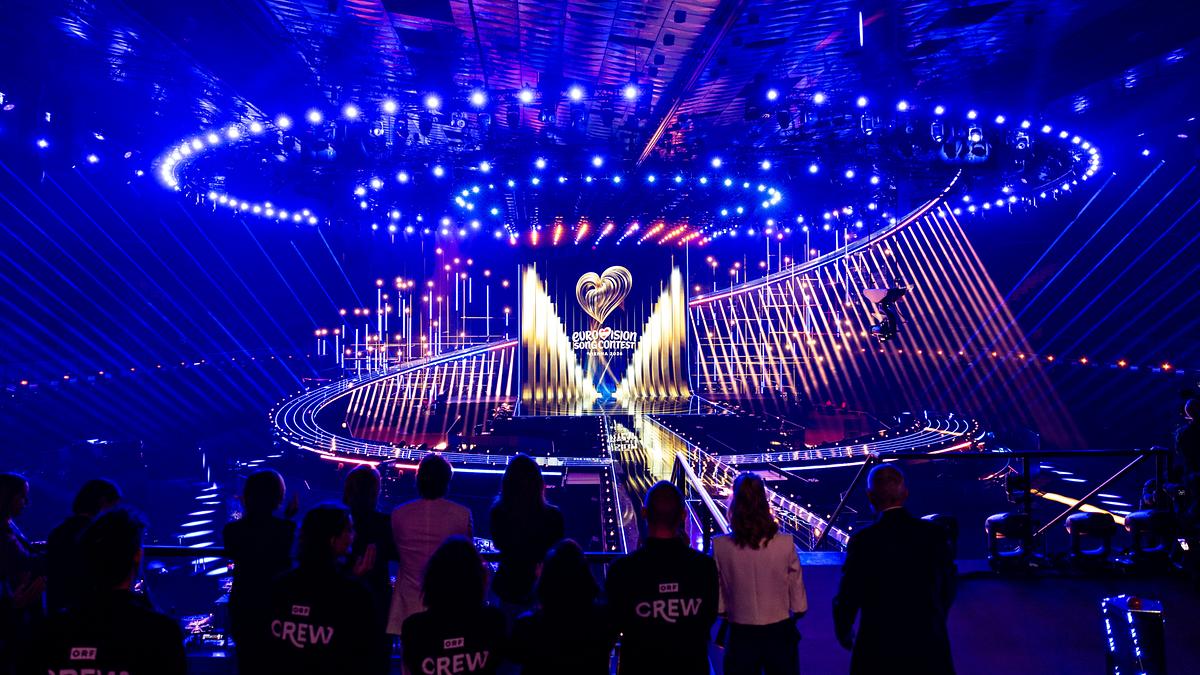
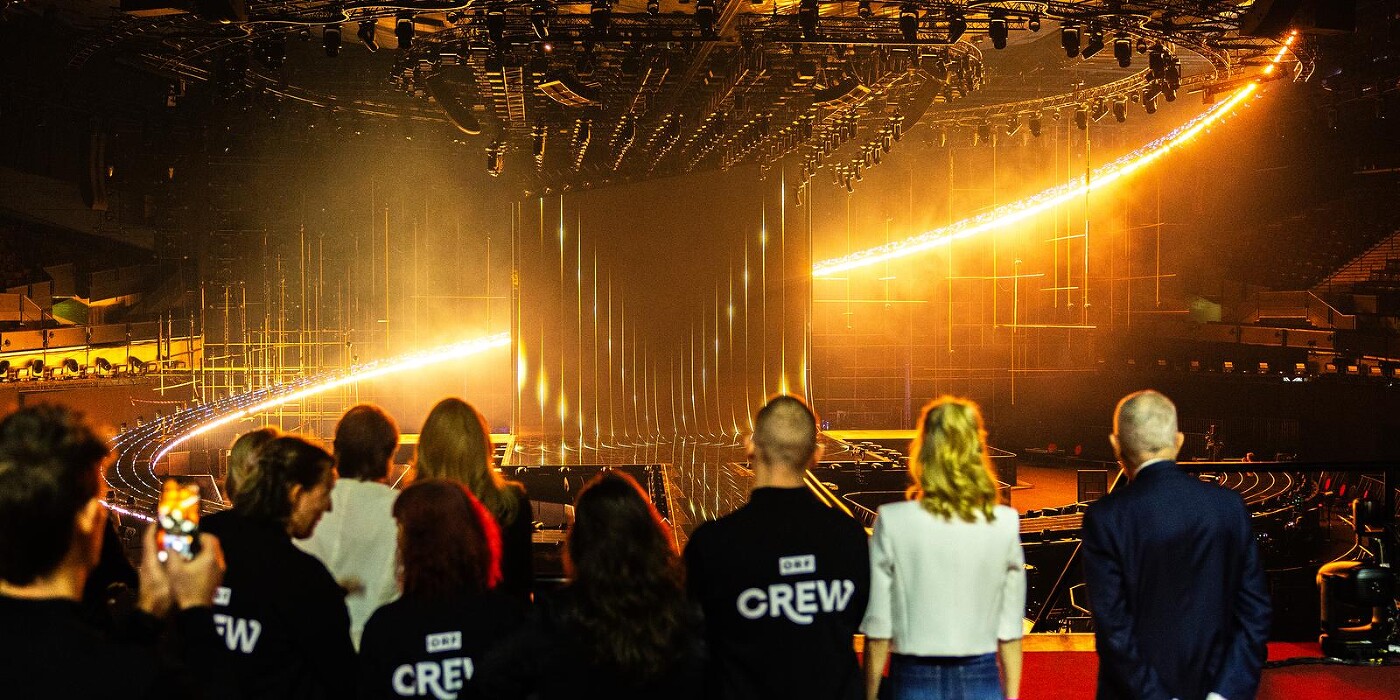
Host broadcaster ORF has officially unveiled the highly anticipated stage design for the 70th Eurovision Song Contest, set to take place in Vienna in 2026. Fans can now get their first glimpse of where the continent’s biggest music event will unfold. The revelation marks an exciting milestone on the road to the competition.
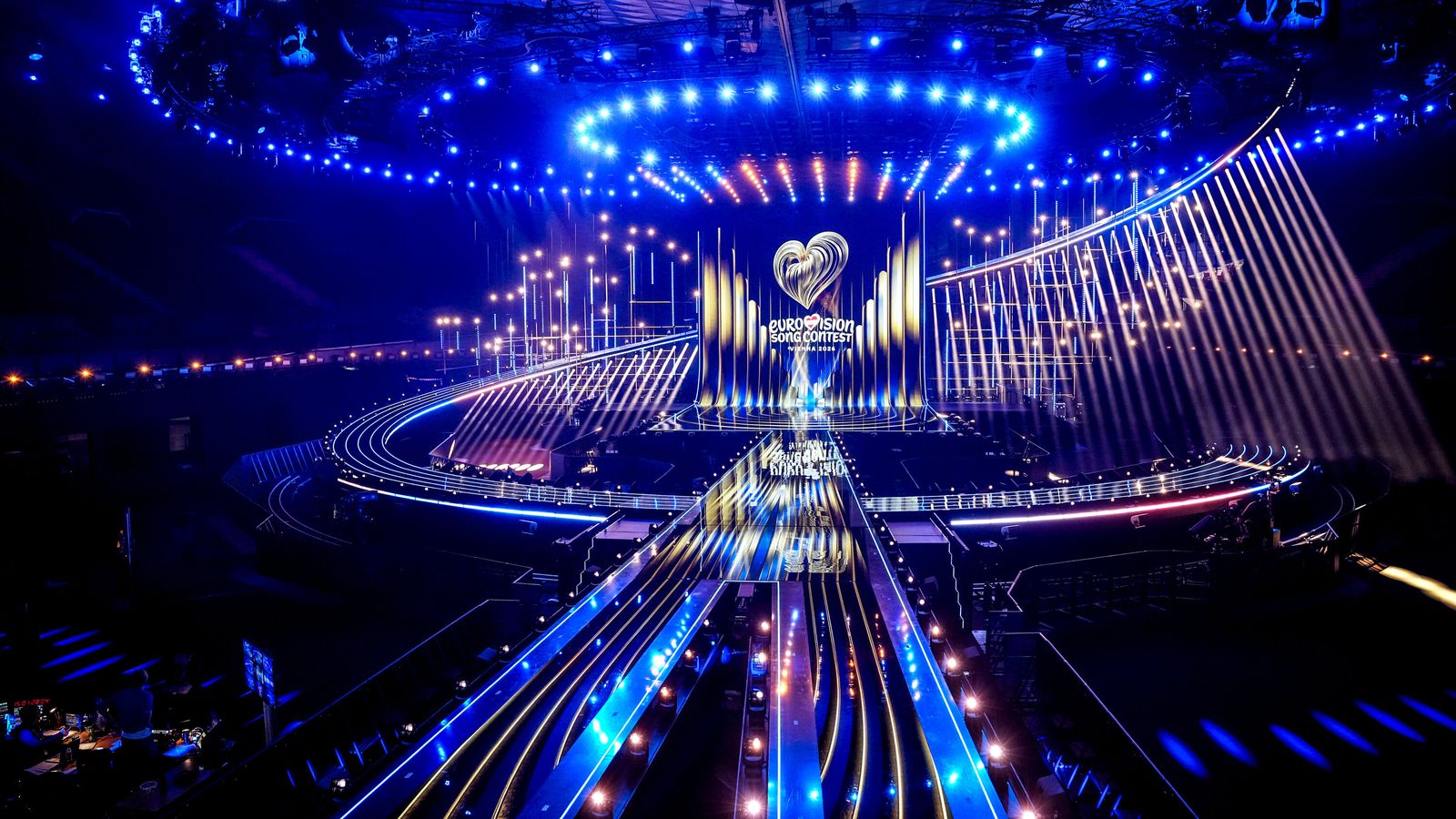
The excitement for the 70th Eurovision Song Contest in Vienna continues to build as host broadcaster ORF lifts the curtain on the spectacular stage design for 2026. This initial look offers a tantalising preview of the creative vision that will frame the performances of artists from across Europe and beyond.
The stage is often a central talking point each year, and Vienna 2026 promises to deliver a memorable visual experience for both the live audience and millions watching worldwide. Austria is hosting the contest for the third time, with Vienna previously hosting in 1967 and 2015.
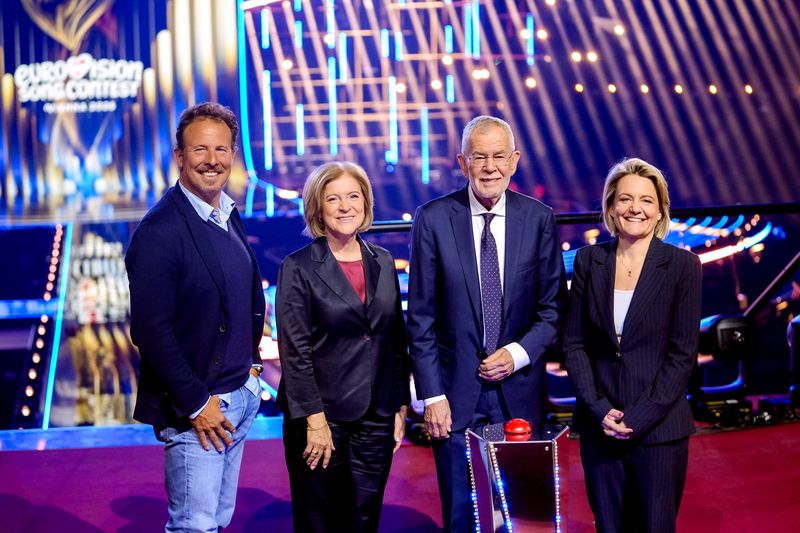
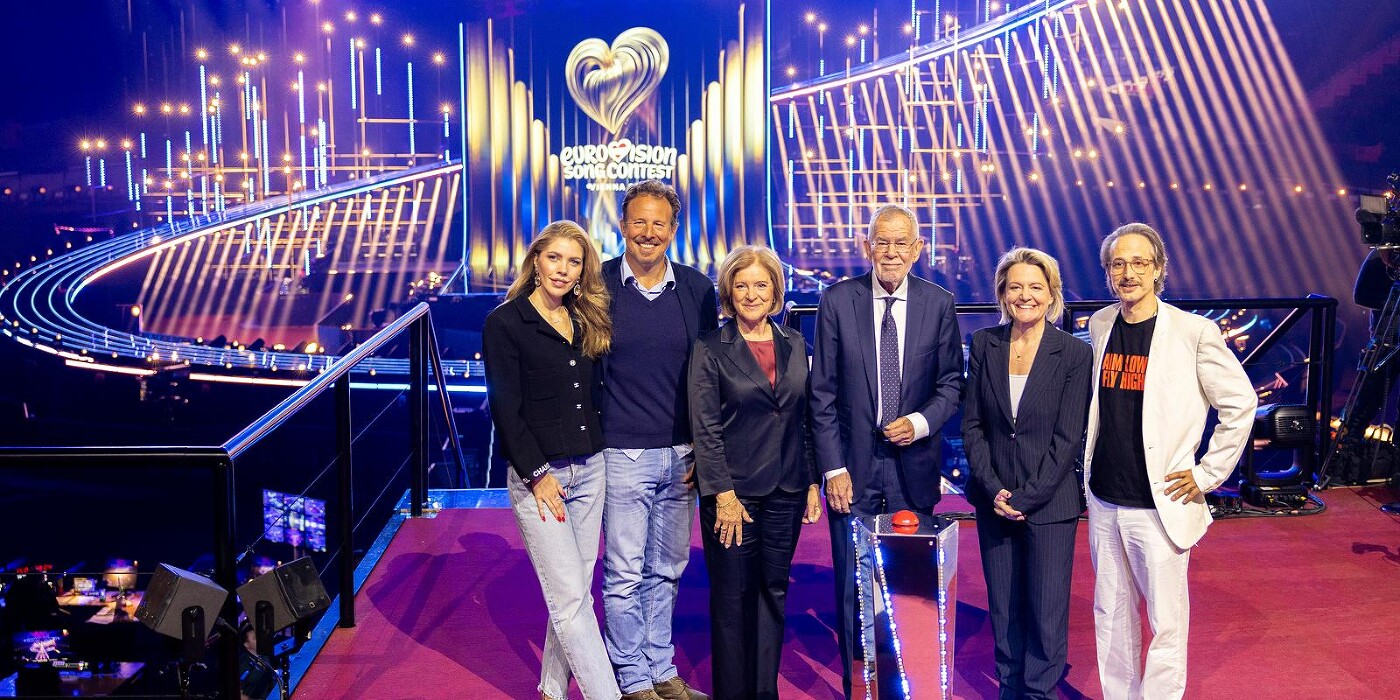
Ladies and gentlemen, the Eurovision 2026 is ready to go! ORF officials and the Austrian media attended the official unveiling event at the Wiener Stadthalle. Austria’s Federal President Alexander Van der Bellen was the guest of honour at the stage unveiling and had the honour of officially unveiling the stage.
Austrian Federal President Alexander Van der Bellen says:
The Eurovision Song Contest shows how colourful our continent is. It shows what we can do and who we are, and that is a lot. As different as we may be, through the Eurovision Song Contest we come together, even when we come from the most contrasting directions, like crossing a bridge.
The 2026 Eurovision stage has been designed by Florian Wieder and Tim Routledge.
EBU’s official press release reads:
The construction of the approximately 2,000‑square‑metre and 210‑tonne stage structure took just under two weeks – partly operating 24 hours a day, with double shifts. At peak times, up to 300 people were simultaneously involved in assembling the stage and lighting system.
A total of more than 5,000 square metres of recyclable stage molton is being used, along with a suspended grid of 816 metres of steel pipes with a total weight of three tonnes.
This year’s lighting installation offers a technical first for the Eurovision Song Contest; the lighting rig is made up entirely of energy‑efficient LED and laser technology. A total of 2,135 lighting fixtures, more than 8,500 individually controllable LEDs and 80 high‑speed hoists for moving lights are being deployed.
The visual side of the competition is also setting new standards: around 28 live cameras will be used in Hall D. For the first time, the entire camera setup is based on the ‘ARRI Alexa 35 Cinematic LIVE Cameras’ system, designed to create a new cinematic look.
Check out a picture gallery of the Eurovision 2026 stage courtesy of ORF (Photo credit: Christian Oser)
The Eurovision 2026 artist rehearsals will kick off on Saturday 2 May 2026. The event is scheduled to consist of two semi-finals on 12 and 14 May and a final on 16 May 2026, held at the Wiener Stadthalle.